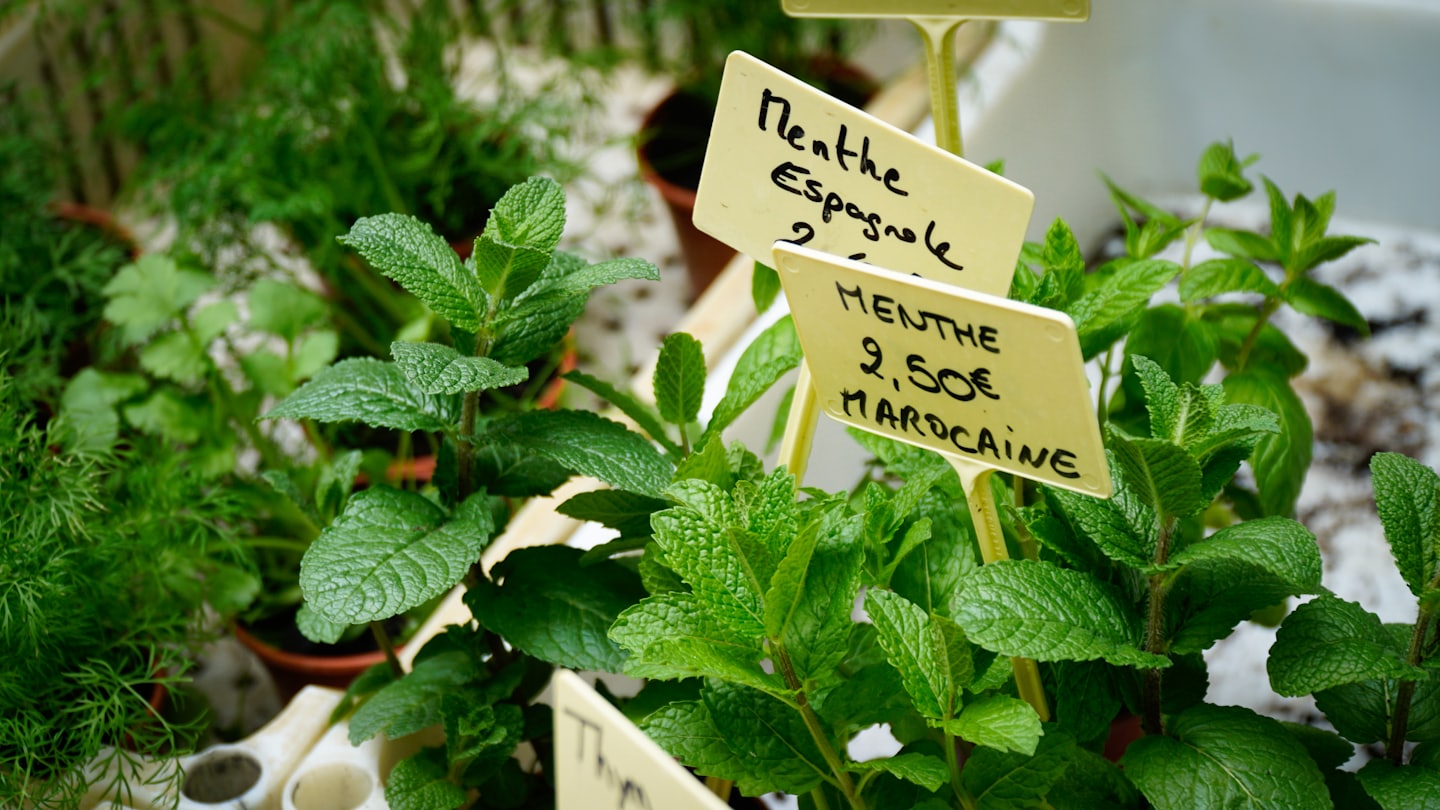
Naturally Grown Goodness from The Walter’s Homestead
Discover the exceptional quality and freshness of our farm’s finest selection, including a wide variety of crisp fresh vegetables, aromatic fragrant herbs, wholesome free-range eggs, and a carefully curated assortment of exclusive seasonal specialties that showcase the best of each harvest.
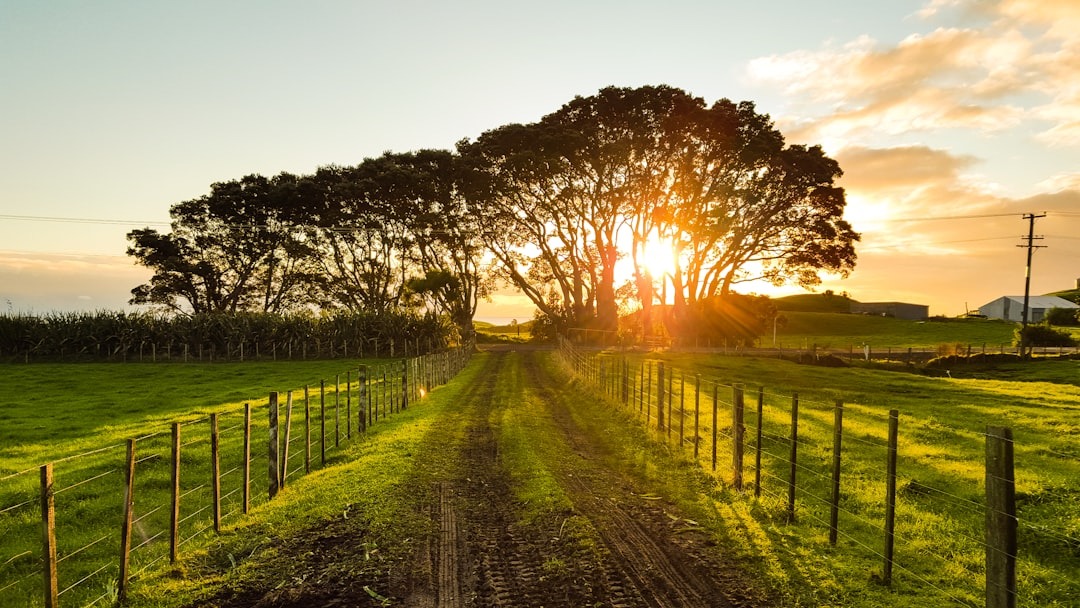
Naturally Grown Produce to Nourish
Explore our farm’s extensive and premium selection of fresh, handpicked vegetables, fragrant and aromatic herbs, farm-fresh free-range eggs, and a variety of unique seasonal specials that change throughout the year to bring you the best flavors nature has to offer.
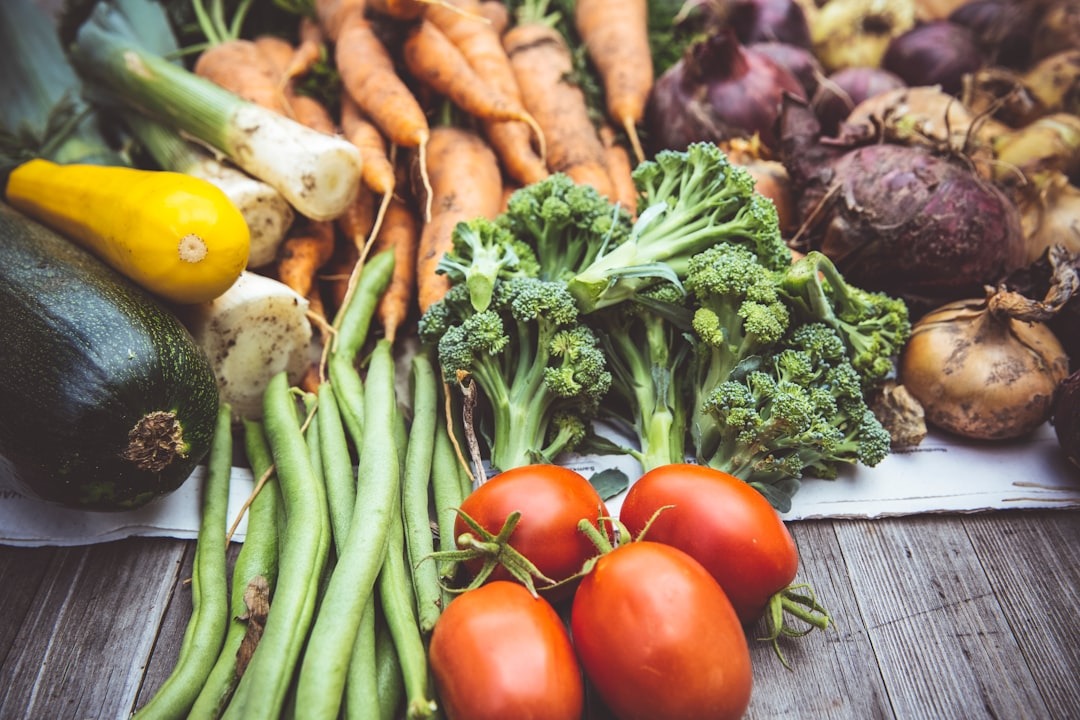
Organic Heirloom Tomatoes
Fresh Vegetables
$9.99

Free-Range Farm Eggs
Farmhouse Staples
$19.99

Certified Herbal Bundles
Aromatic Herbs
$29.99
Savor Freshness from Our Farm to Your Table
Discover upcoming farm tours, seasonal markets, and workshops that bring you closer to sustainable farming and community spirit.

Spring Harvest Festival

Date:

Location:
Join us to celebrate the season with fresh produce tastings and family-friendly activities.
Herbal Workshop Series
Date:
Location:
Learn about growing and using herbs naturally in your kitchen and medicine cabinet.

Egg Collecting Experience
Date:
Location:
Spend a morning gathering fresh eggs and discovering our ethical poultry practices.
Fresh Farm News
Discover our newest insights on sustainable farming, seasonal recipes, and expert tips for savoring the freshest produce from The Walter’s Homestead & Farm.
-

Exploring the Homestead Lifestyle: A Day at Walter’s
In an era marked by rapid industrialization and technological advancement, the way we grow our food has never been more critical. Natural farming, a method that emphasizes working with nature rather than against it, is gaining attention as a sustainable alternative to conventional agriculture. But why does natural farming matter so much in today’s world? Let’s explore the reasons.
1. Environmental Sustainability Conventional farming often relies heavily on synthetic fertilizers, pesticides, and herbicides, which can lead to soil degradation, water pollution, and loss of biodiversity. Natural farming avoids these chemicals, promoting healthier soil ecosystems. By nurturing the natural balance of microorganisms and insects, it helps preserve the environment and reduces the carbon footprint of food production.
2. Soil Health and Fertility Healthy soil is the foundation of productive agriculture. Natural farming practices, such as crop rotation, composting, and cover cropping, improve soil structure and fertility over time. This approach enhances the soil’s ability to retain water and nutrients, making crops more resilient to drought and pests without artificial inputs.
3. Healthier Food Food grown through natural farming is free from harmful chemical residues. This means the produce is not only safer to eat but often richer in nutrients. Consumers are becoming increasingly aware of the link between food quality and health, driving demand for naturally farmed products.
4. Economic Benefits for Farmers Natural farming can reduce costs for farmers by minimizing the need for expensive chemical inputs and machinery. Additionally, it empowers small-scale farmers to maintain productive land without heavy investment. Over time, this can lead to more stable incomes and improved livelihoods.
5. Climate Change Mitigation Agriculture contributes significantly to greenhouse gas emissions, but natural farming can help reverse this trend. Practices such as carbon sequestration in healthy soils and reduced fossil fuel use make natural farming a vital tool in combating climate change.
6. Preserving Traditional Knowledge Natural farming often draws upon indigenous and traditional agricultural knowledge that has been passed down through generations. Embracing these methods not only preserves cultural heritage but also promotes biodiversity and resilience in farming systems.
Conclusion Natural farming matters today because it addresses many of the challenges faced by modern agriculture—environmental degradation, health concerns, economic instability, and climate change. By adopting farming methods that work harmoniously with nature, we can ensure a more sustainable, healthy, and equitable food system for future generations. It’s time to rethink how we grow our food and embrace the wisdom of natural farming.
-

Why Natural Farming Matters in Today’s World
In an era marked by rapid industrialization and technological advancement, the way we grow our food has never been more critical. Natural farming, a method that emphasizes working with nature rather than against it, is gaining attention as a sustainable alternative to conventional agriculture. But why does natural farming matter so much in today’s world? Let’s explore the reasons.
1. Environmental Sustainability Conventional farming often relies heavily on synthetic fertilizers, pesticides, and herbicides, which can lead to soil degradation, water pollution, and loss of biodiversity. Natural farming avoids these chemicals, promoting healthier soil ecosystems. By nurturing the natural balance of microorganisms and insects, it helps preserve the environment and reduces the carbon footprint of food production.
2. Soil Health and Fertility Healthy soil is the foundation of productive agriculture. Natural farming practices, such as crop rotation, composting, and cover cropping, improve soil structure and fertility over time. This approach enhances the soil’s ability to retain water and nutrients, making crops more resilient to drought and pests without artificial inputs.
3. Healthier Food Food grown through natural farming is free from harmful chemical residues. This means the produce is not only safer to eat but often richer in nutrients. Consumers are becoming increasingly aware of the link between food quality and health, driving demand for naturally farmed products.
4. Economic Benefits for Farmers Natural farming can reduce costs for farmers by minimizing the need for expensive chemical inputs and machinery. Additionally, it empowers small-scale farmers to maintain productive land without heavy investment. Over time, this can lead to more stable incomes and improved livelihoods.
5. Climate Change Mitigation Agriculture contributes significantly to greenhouse gas emissions, but natural farming can help reverse this trend. Practices such as carbon sequestration in healthy soils and reduced fossil fuel use make natural farming a vital tool in combating climate change.
6. Preserving Traditional Knowledge Natural farming often draws upon indigenous and traditional agricultural knowledge that has been passed down through generations. Embracing these methods not only preserves cultural heritage but also promotes biodiversity and resilience in farming systems.
Conclusion Natural farming matters today because it addresses many of the challenges faced by modern agriculture—environmental degradation, health concerns, economic instability, and climate change. By adopting farming methods that work harmoniously with nature, we can ensure a more sustainable, healthy, and equitable food system for future generations. It’s time to rethink how we grow our food and embrace the wisdom of natural farming.

Fresh, Natural Produce Straight from Our Farm
Easily order fresh eggs, herbs, and seasonal produce online with simple steps for a smooth shopping experience.